

Dealing with persistent jaw discomfort can disrupt your daily life, making simple activities like eating, speaking, or even smiling uncomfortable. At Beacon Chiropractic, Dr. Isaac Johnson, DC understands how jaw pain affects your quality of life and offers specialized chiropractic care to address the underlying causes of temporomandibular joint dysfunction. With over a decade of experience serving Clark County, Washington, Dr. Johnson provides comprehensive treatment approaches that go beyond temporary relief to help you reclaim comfort in your everyday activities.
Jaw Pain
What’s Really Happening When Your Jaw Hurts
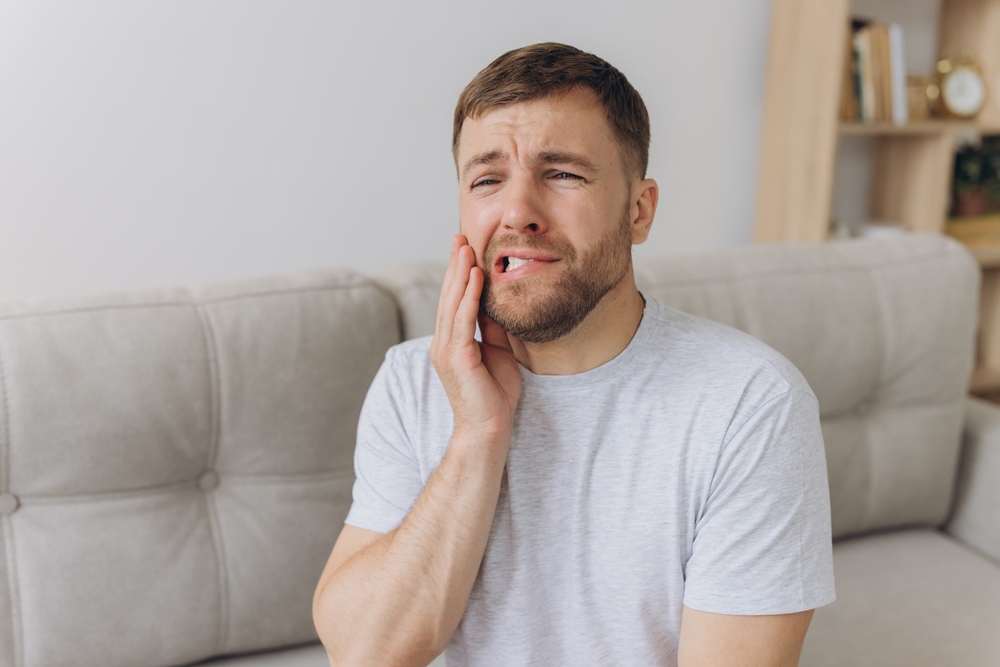
Jaw pain, often associated with temporomandibular joint (TMJ) disorders, affects the joint connecting your jawbone to your skull and the surrounding muscles that control jaw movement. This complex joint functions like a sliding hinge, allowing you to open and close your mouth, chew, speak, and yawn. When dysfunction occurs, you may experience clicking or popping sounds, difficulty opening your mouth fully, or radiating pain that extends to your neck, shoulders, and even your ears.
The temporomandibular joint works in coordination with your cervical spine and surrounding musculature. Misalignments in your upper neck can create compensatory patterns that place excessive stress on your jaw joint. Chiropractic care addresses these interconnected systems, recognizing that jaw pain rarely exists in isolation from other spinal or postural issues affecting your overall musculoskeletal health.
Benefits of Jaw Pain Treatment
Improved Digestion and Eating Habits
When chewing becomes painful or difficult, you naturally adapt by favoring softer foods, eating quickly without thorough chewing, or avoiding certain nutritious options altogether. Proper jaw function restoration allows you to chew food thoroughly again, which is the crucial first step of digestion that breaks down nutrients for absorption. You’ll regain the ability to enjoy crunchy vegetables, lean proteins, and other healthy foods you may have been unconsciously avoiding due to jaw discomfort.
Decreased Neck and Shoulder Pain
Your jaw doesn’t operate independently—it’s part of a kinetic chain that includes your neck, shoulders, and upper back. Chronic jaw dysfunction forces these surrounding areas to compensate, creating tension patterns that can persist even after your jaw pain started. By correcting jaw mechanics, you often experience unexpected relief in areas you didn’t realize were connected to your TMJ issues.
Better Facial Symmetry and Appearance
Chronic jaw misalignment can cause one side of your face to develop differently than the other, with muscles on one side becoming overdeveloped while the opposite side weakens. Restoring balanced jaw function helps even out muscle development over time, reducing visible asymmetry that may have developed gradually. While this isn’t a cosmetic treatment, many patients appreciate the secondary aesthetic improvements that come with proper jaw alignment.
Reduced Dental Wear and Damage
Abnormal jaw mechanics and grinding patterns accelerate wear on your teeth, sometimes causing costly damage that requires extensive dental work. Addressing the biomechanical issues causing improper jaw movement protects your teeth from premature wear, reduces the risk of fractures, and may decrease your need for dental interventions. Your dentist will likely notice improvements in tooth wear patterns during your regular checkups.
The Care Process at Our Practice
In-Depth Jaw and Neck Examination
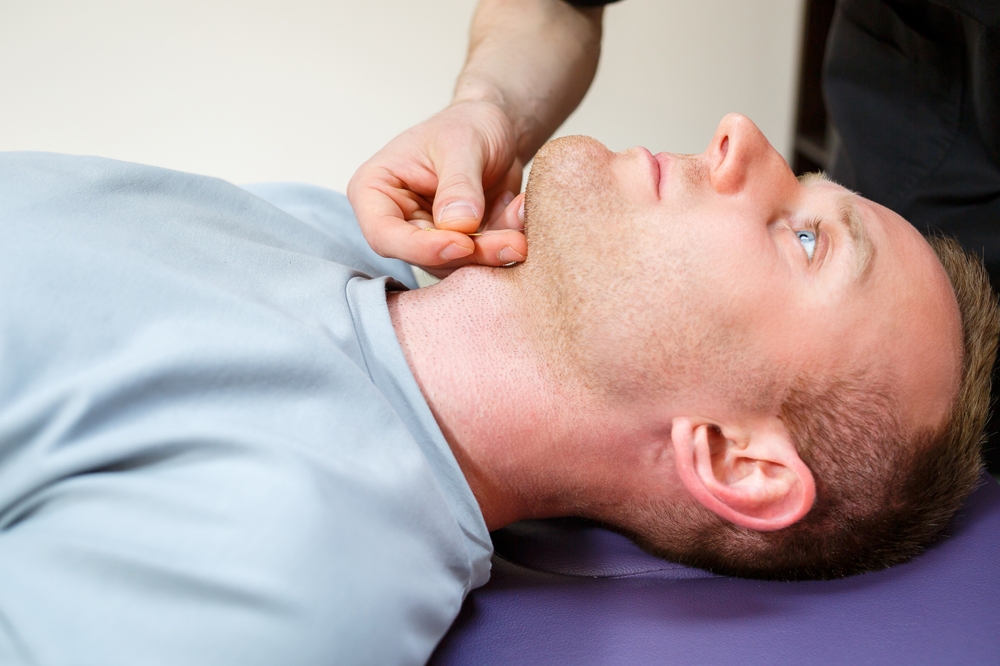
Dr. Johnson begins by examining how your jaw moves, identifying clicking sounds, measuring your range of motion, and checking for tenderness in the joint and surrounding muscles. He also evaluates your upper cervical spine and posture since misalignments in these areas frequently contribute to TMJ dysfunction. This detailed assessment may include checking your bite pattern, muscle balance, and any habits like clenching or grinding that could be aggravating your condition.
Personalized Treatment Blueprint
Your treatment plan is built specifically around what Dr. Johnson discovered during your evaluation and what you want to achieve. He may recommend a combination of spinal adjustments, specialized TMJ techniques, Graston Technique for soft tissue work, and corrective exercises tailored to your condition’s severity. You’ll know exactly what each session will involve, how long treatment typically takes, and what improvements you should expect along the way.
Chiropractic Adjustments and Therapy
Each treatment session focuses on restoring proper movement to your jaw joint while addressing any cervical spine restrictions that may be contributing to your symptoms. Dr. Johnson uses gentle, specific adjustments appropriate for the delicate TMJ area, often combining these with instrument-assisted techniques to release tight muscles around your jaw, neck, and face. The treatment is adapted each visit based on how your body responds and what areas need the most attention that day.
Empowering You with Home Exercises
You’ll learn specific exercises to strengthen and relax your jaw muscles, along with techniques to manage stress-related clenching throughout your day. Dr. Johnson provides practical advice on sleeping positions that protect your jaw, foods to temporarily avoid, and self-care methods you can use between visits to support your progress. These recommendations are tailored to fit realistically into your lifestyle so you can actually follow through with them.
Regular Progress Reviews
Regular check-ins allow Dr. Johnson to measure improvements in your jaw mobility, pain levels, and functional abilities like chewing and speaking. As you improve, your treatment frequency typically decreases, transitioning from intensive care to maintenance visits that keep your jaw functioning properly long-term. He adjusts your care plan based on your real-world results, ensuring you’re getting the most effective treatment at every stage of recovery.
Why Choose Us for Jaw Pain Treatment
Dr. Isaac Johnson takes a comprehensive approach to jaw pain that goes beyond simply treating symptoms in isolation. He examines the relationship between your jaw, cervical spine, and overall posture to identify all contributing factors to your discomfort. His certification as a Graston Technique Specialist provides additional tools for addressing the soft tissue restrictions that commonly accompany TMJ dysfunction, while his decade of experience in Clark County means he’s helped countless patients regain comfortable jaw function.
At Beacon Chiropractic, we prioritize education alongside treatment. You’ll understand why your jaw hurts, what’s causing the dysfunction, and how each aspect of your care contributes to your recovery. Dr. Johnson’s role as an adjunct faculty member at the University of Western States reflects his commitment to staying informed about current research and best practices in chiropractic care. We focus on measurable improvements in your daily life—whether that means enjoying meals without pain, sleeping through the night, or speaking comfortably throughout your workday.

It’s Time to Address What’s Really Going On!
Chiropractic care provides a practical, effective solution that restores proper function to your jaw and the structures supporting it, giving you back the comfort and quality of life you’ve been missing. Dr. Isaac Johnson, DC and our team at Beacon Chiropractic are ready to evaluate your specific situation and create a treatment plan designed around your needs and goals.
Your jaw pain relief begins with a phone call to 360-326-3396, where our team is ready to answer your questions and schedule your appointment. Visit us at 11500 NE 119th St, Suite 104, Vancouver, WA 98662, where we are committed to helping you move, eat, and live without the constant burden of jaw discomfort.

FAQs
How to stop jaw pain immediately?
While immediate relief strategies vary depending on the cause of your pain, gentle massage of the jaw muscles, applying a warm compress to the affected area, and consciously relaxing your jaw can provide temporary comfort. Avoid hard or chewy foods that stress the joint, and practice keeping your teeth slightly apart to reduce clenching. For lasting relief rather than temporary measures, professional evaluation and treatment address the underlying causes of your jaw pain.
What causes jaw pain?
Jaw pain can result from multiple factors including misalignment of the temporomandibular joint, muscle tension from stress-related clenching or grinding, trauma to the jaw or head, and postural issues affecting your cervical spine. Arthritis, dental problems, and compensatory patterns from spinal misalignments can also contribute to TMJ dysfunction. Many cases involve a combination of these factors, which is why comprehensive evaluation is essential to identify all contributing elements.
Can chiropractic help jaw pain?
Yes, chiropractic care effectively addresses jaw pain by correcting misalignments in both the TMJ and cervical spine that contribute to your symptoms. Chiropractors use gentle adjustments, soft tissue techniques, and therapeutic exercises to restore proper joint mechanics and reduce muscle tension. Research and clinical experience demonstrate that chiropractic treatment can significantly reduce jaw pain and improve function, especially when combined with appropriate home care strategies.
Is jaw alignment chiropractic painful?
Chiropractic adjustments for jaw alignment are generally gentle and should not cause significant pain, though you may feel pressure or slight discomfort during the adjustment itself. Dr. Johnson uses precise, controlled techniques tailored to your comfort level and the severity of your condition. Most patients report feeling relief rather than pain during treatment, and any mild soreness that occurs afterward typically resolves quickly as your body adjusts to improved joint positioning.
When to worry about jaw pain?
You should seek professional evaluation if your jaw pain persists beyond a few days, significantly limits your ability to open your mouth, or is accompanied by swelling, fever, or severe headaches. Sudden onset of intense pain, jaw locking in an open or closed position, or pain that radiates down your arm warrants immediate attention. Additionally, if your symptoms progressively worsen despite home care efforts or interfere with eating, speaking, or sleeping, professional assessment can prevent long-term complications.